
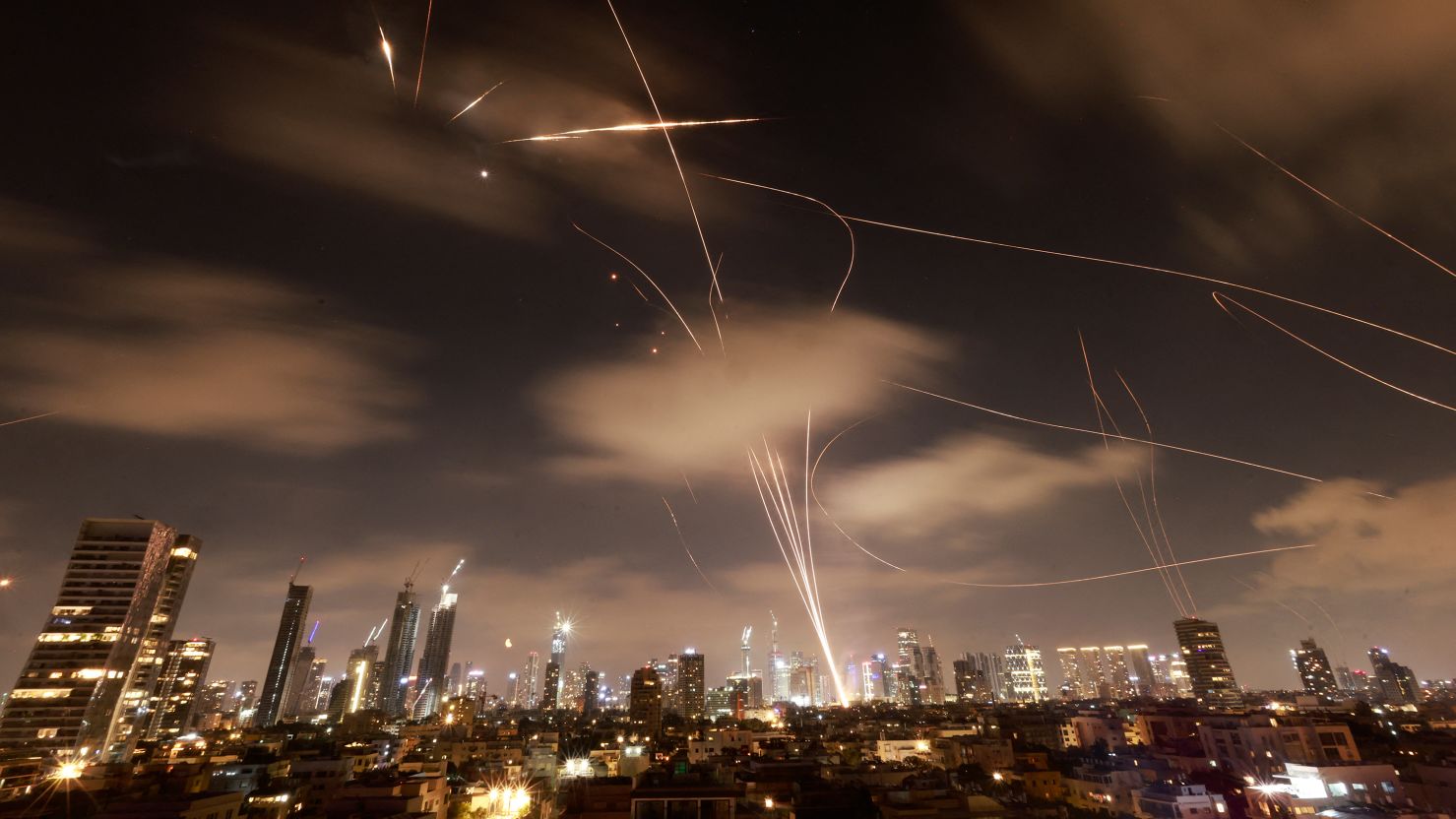
In 2026, the Tehran Missile Response Crisis emerged as a pivotal moment in Middle Eastern geopolitics. Triggered by a series of aggressive missile tests by Iran, regional tensions escalated dramatically. The tests were perceived not only as a demonstration of military capability but also as a direct challenge to both the United States and its allies.
In response, the U.S. initiated a comprehensive military strategy, deploying naval forces in the Gulf and enhancing missile defense systems in allied nations. Diplomatic channels, however, remained open as the international community sought to de-escalate the situation. European nations pushed for negotiations, emphasizing the need to prevent a military confrontation.
Iran, asserting its right to defend against perceived threats, threatened severe retaliation. This precarious standoff highlighted the fragile balance of power in the region and underscored the global implications of any miscalculation. Ultimately, the crisis served as a reminder of the critical need for diplomatic engagement amid rising tensions.
For more details and the full reference, visit the source link below: