
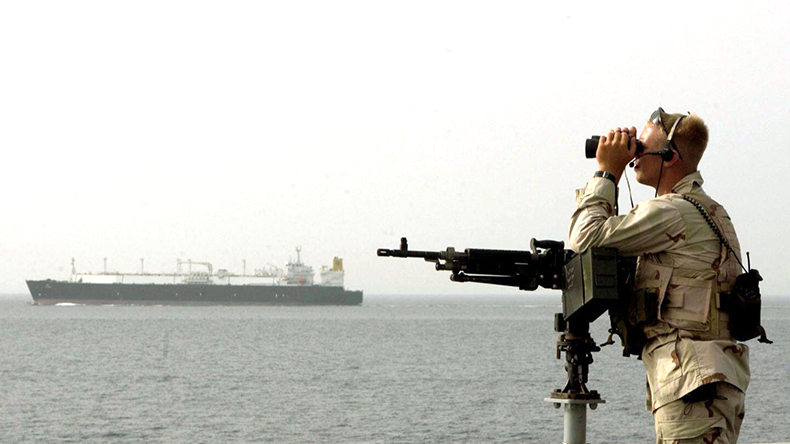
In 2026, Gulf regional security faces unprecedented challenges, exacerbated by geopolitical tensions, climate change, and internal conflicts. The ongoing rivalry between Iran and Saudi Arabia has intensified, with proxy wars spilling into Yemen and Iraq, destabilizing the broader region. The resurgence of extremist groups exploits these tensions, leading to heightened violence and humanitarian crises.
Additionally, the impact of climate change is becoming increasingly evident, with rising sea levels and severe weather events threatening vital oil infrastructure and coastal cities. Water scarcity has aggravated disputes among Gulf states, further straining alliances.
The U.S. military presence in the region is under scrutiny, as shifting global priorities force a reassessment of commitments. Meanwhile, emerging powers such as China and Russia are expanding their influence, complicating the security landscape. As nations grapple with these multifaceted challenges, the need for collaborative, regional solutions to ensure stability becomes more critical than ever, highlighting the fragile state of Gulf security in 2026.
For more details and the full reference, visit the source link below:
Read the complete article here: https://brusselsmorning.com/gulf-regional-security-crisis/87863/