
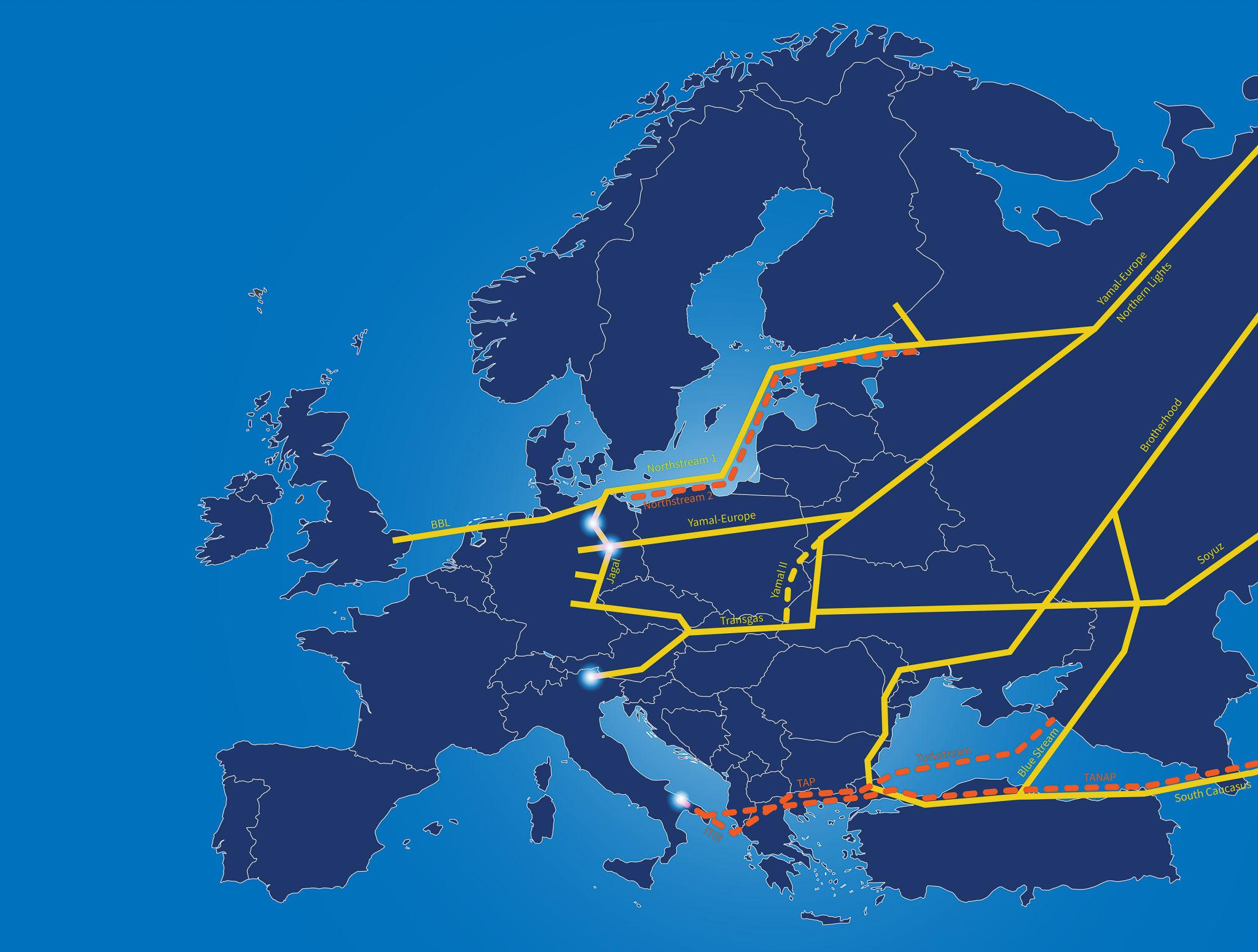
As of 2026, the European oil supply crisis has escalated, significantly impacting energy security and economic stability across the EU. Contributing factors include geopolitical tensions, particularly with major oil-producing countries, and the region’s struggle to transition to renewable energy sources. Stricter environmental regulations and commitments to reduce carbon emissions have further complicated the situation, limiting the exploration and extraction of traditional oil reserves.
Additionally, international sanctions and trade restrictions have disrupted supply chains, leading to skyrocketing oil prices. Member states are increasingly vulnerable to market fluctuations, which threaten not only consumer prices but also industrial competitiveness. As energy demands rise with economic recovery post-pandemic, reliance on oil persists, exacerbating the crisis.
In response, EU countries are urged to diversify their energy sources, invest heavily in alternative energy technologies, and enhance cooperation in energy policy to mitigate future risks. The ongoing crisis highlights the urgent need for a more resilient and sustainable energy framework within Europe.
For more details and the full reference, visit the source link below: