
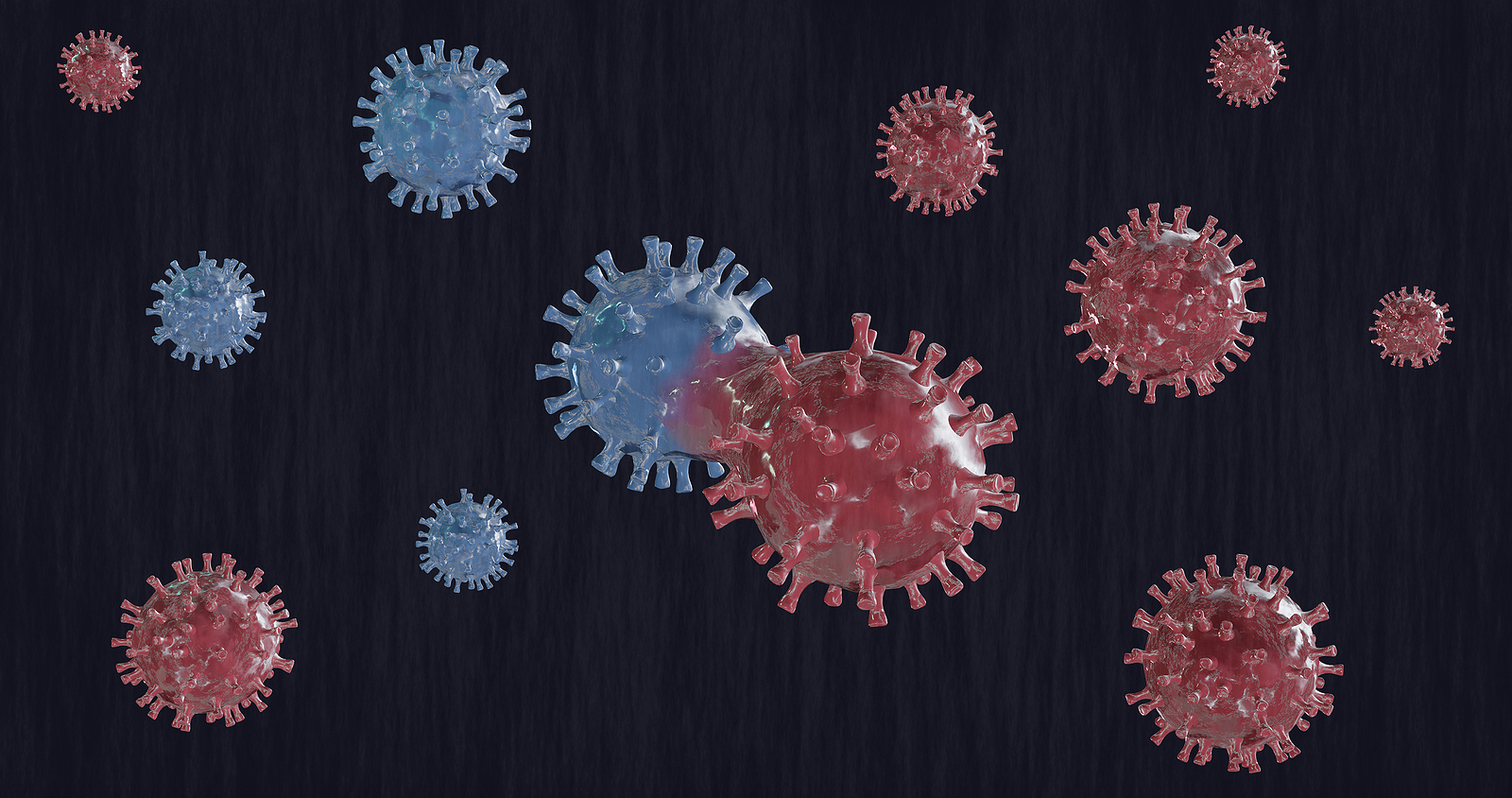
In 2026, a Hantavirus outbreak emerged at sea, raising significant global health concerns. The virus, primarily transmitted through rodent droppings, urine, and saliva, surfaced on a research vessel conducting deep-sea studies. Over a dozen crew members showed symptoms, prompting immediate isolation and medical intervention.
Health experts warned that the outbreak could escalate given the unique conditions of maritime environments, where close quarters and limited medical access amplify risks. The incident also highlighted the potential for zoonotic diseases to crossover into new contexts, affecting populations far from their original habitats.
International health organizations promptly mobilized, coordinating efforts to understand the virus’s spread and implement preventive measures. While the immediate outbreak was contained, the incident sparked discussions on global preparedness for emerging infectious diseases, especially as climate change alters habitats and potentially increases rodent populations. This alarming situation underscores the need for vigilance in monitoring zoonotic threats in various ecosystems.
For more details and the full reference, visit the source link below: