
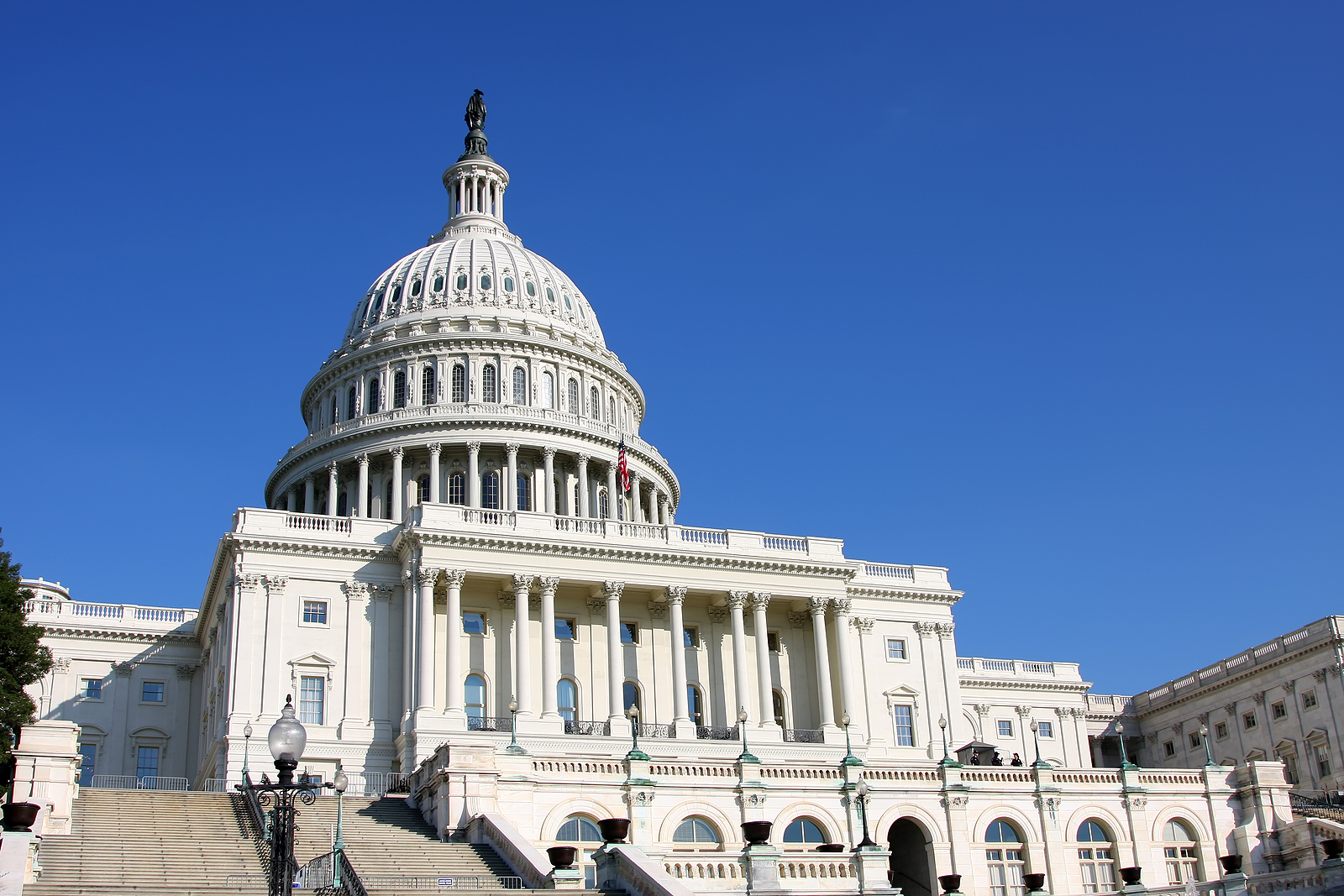
The decision to go to war in the United States involves multiple actors within a complex framework. The Constitution grants Congress the power to declare war, reflecting the Founding Fathers’ intention to ensure that such significant actions require broad consensus. However, the President, as Commander-in-Chief, holds substantial authority to engage in military actions without immediate congressional approval, often citing national security interests. This dynamic can lead to contentious debates about the scope of executive power versus legislative authority.
Advisory bodies, such as the National Security Council, and influential agencies like the Department of Defense and the State Department also play critical roles in shaping military policy and recommendations. Public opinion and the media can further influence decisions, as leaders often consider how military actions will resonate with voters. Ultimately, while the formal mechanisms lie within the legislative framework, the interplay of executive authority, advisory counsel, and societal input creates a nuanced process of war decision-making in America.
For more details and the full reference, visit the source link below: