
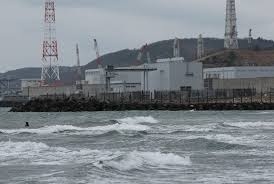
Japan’s recent decision to restart several of its nuclear power plants marks a significant turning point in the nation’s energy policy. Following the Fukushima disaster in 2011, Japan’s reliance on nuclear energy dramatically declined, leading to increased fossil fuel imports and rising carbon emissions. However, with global energy demands escalating and concerns over energy security growing, the government is reexamining its stance on nuclear power.
The restart signifies not only a return to a previously dominant energy source but also highlights Japan’s commitment to reducing greenhouse gas emissions amid climate change pressures. By reintegrating nuclear energy, the country aims to achieve a more sustainable energy mix, balancing energy needs while prioritizing safety. This shift is historic as it reflects broader trends in energy transitions worldwide, where nations are grappling with the dual challenges of ensuring energy security and meeting environmental targets. Japan’s approach could set a precedent for other countries navigating similar dilemmas.
For more details and the full reference, visit the source link below: