
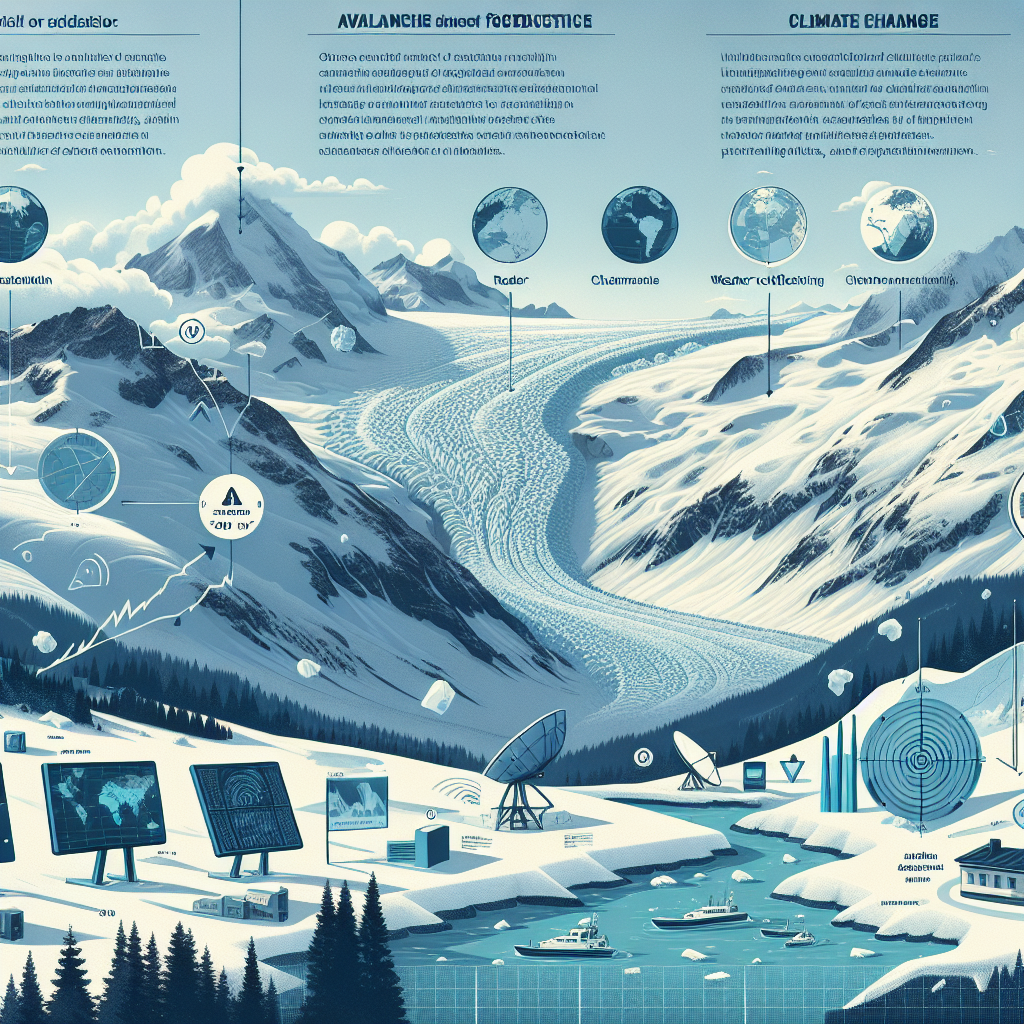
Climate change significantly impacts avalanches and the methodologies used for forecasting them. As global temperatures rise, alterations in precipitation patterns lead to increased rainfall in traditionally snowy regions. This shifts the snowpack’s characteristics, resulting in heavier, wetter snow that is more prone to sliding, thereby enhancing avalanche frequency and severity.
Furthermore, warmer winters and fluctuating temperatures cause more rapid snowmelt and can create layers of weak, unstable snow. These changes complicate traditional forecasting methods, which rely on stable snow conditions and historical data. Meteorologists and avalanche forecasters must adapt, employing advanced technologies like satellite imagery, remote sensing, and machine learning to analyze shifting patterns in snow behavior and weather conditions.
Additionally, climate change expands the geographic range of avalanches into areas previously considered safe. This necessitates more comprehensive hazard assessments and community awareness programs to better inform residents and outdoor enthusiasts about evolving risks associated with avalanches in a warmer climate.
For more details and the full reference, visit the source link below: