
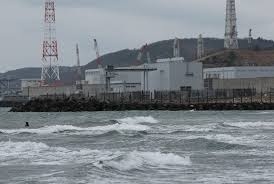
Japan’s decision to restart its nuclear plants marks a significant shift in its energy policy, reflecting a broader transition towards sustainable energy sources. Following the Fukushima disaster in 2011, Japan had largely moved away from nuclear power, leading to increased reliance on fossil fuels and imported energy, which raised concerns about energy security and environmental impacts.
The recent restart of these plants signals a recognition of the need for a balanced energy strategy. Japan’s government emphasizes that nuclear energy can play a crucial role in achieving carbon neutrality by 2050. This restart aligns with global trends as countries aim to reduce greenhouse gas emissions and combat climate change.
However, public sentiment remains mixed, with ongoing concerns about safety and waste management. The restart represents both an opportunity and a challenge for Japan to innovate in nuclear technology, engage in transparent dialogue with citizens, and pave the way for a more sustainable energy future.
For more details and the full reference, visit the source link below: