
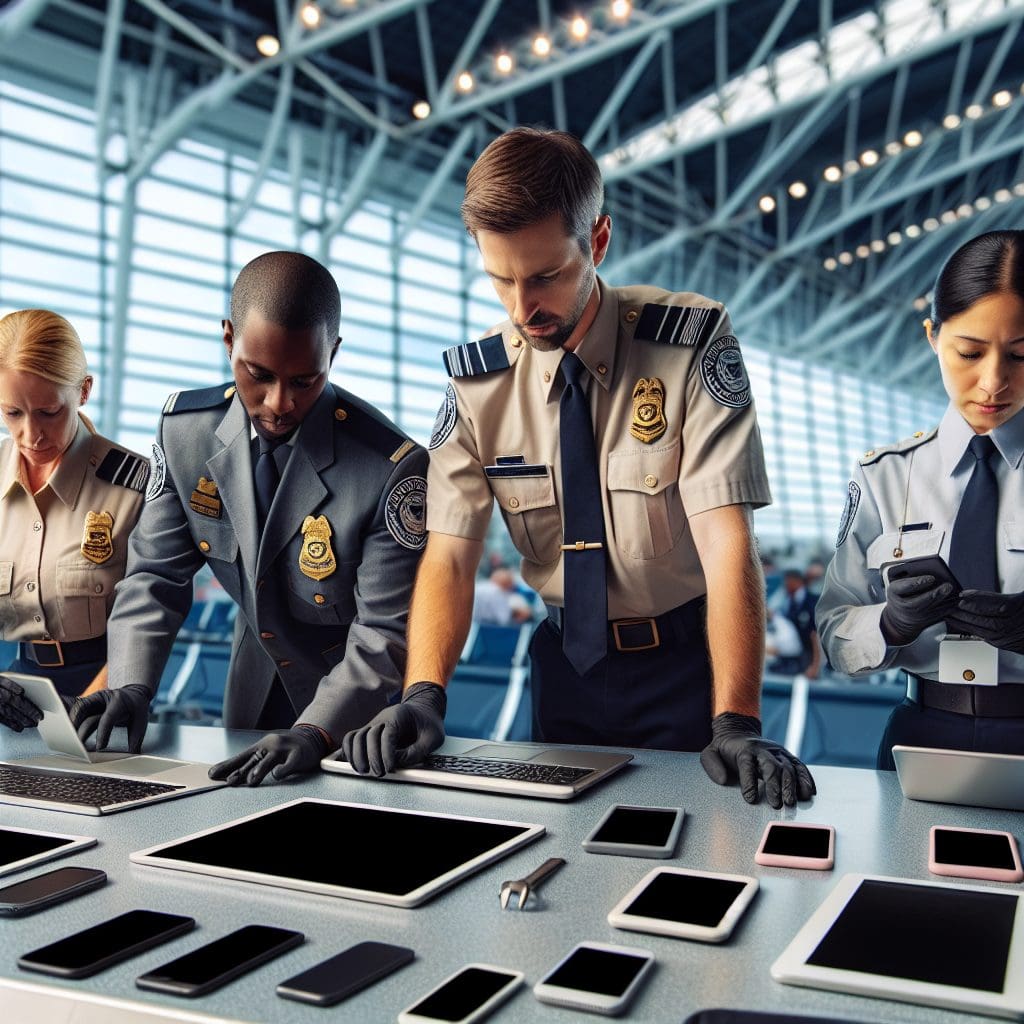
In the past year, U.S. Customs and Border Protection (CBP) conducted an unprecedented number of inspections on electronic devices at borders and airports. This surge in inspections reflects heightened security measures aimed at safeguarding national interests and combating illegal activities. Travelers faced increased scrutiny as agents examined smartphones, laptops, and tablets, seeking to identify contraband and prevent cyber threats.
The rise in inspections has sparked a debate over privacy rights and the balance between security and individual freedoms. Advocates argue that such measures are essential for preventing terrorism and crime, while critics raise concerns about potential overreach and invasive practices.
Data show that inspections have doubled, indicating a growing trend in law enforcement utilizing technology for border security. As digital devices increasingly carry personal information, the implications of these inspections are significant, prompting discussions on policy reform and the rights of travelers. The landscape of border security is evolving, posing new challenges and responsibilities for both authorities and the public.
For more details and the full reference, visit the source link below: