
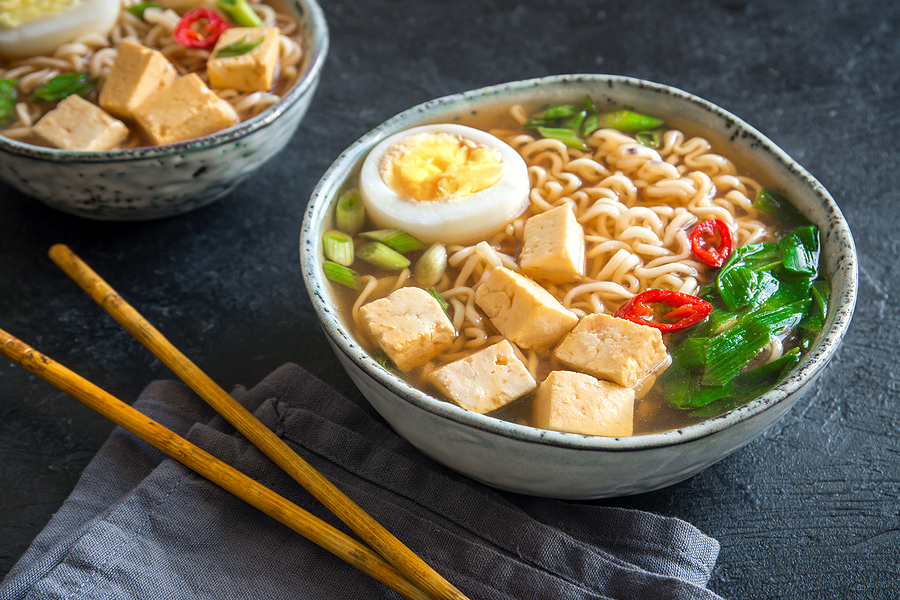
Ramen, a beloved noodle dish, has its origins in China, where wheat noodles were introduced. However, it gained prominence in Japan during the early 20th century, evolving into various regional styles. The dish typically features wheat noodles served in a flavorful broth, accompanied by toppings like sliced pork, green onions, and nori.
Post-World War II, ramen skyrocketed in popularity with the introduction of instant noodles by Momofuku Ando in 1958, transforming how people consumed this dish. Instant ramen became a global phenomenon, offering convenience and affordability, appealing to diverse demographics.
As culinary borders blurred, ramen restaurants sprouted worldwide, showcasing unique local twists. Social media fueled its popularity, with vibrant images of ramen captivating food enthusiasts. Today, ramen is celebrated not only for its taste but also for its cultural significance, symbolizing culinary innovation and bringing people together around a steaming bowl. Its journey from humble beginnings to global stardom exemplifies the power of food to unite cultures.
For more details and the full reference, visit the source link below: