
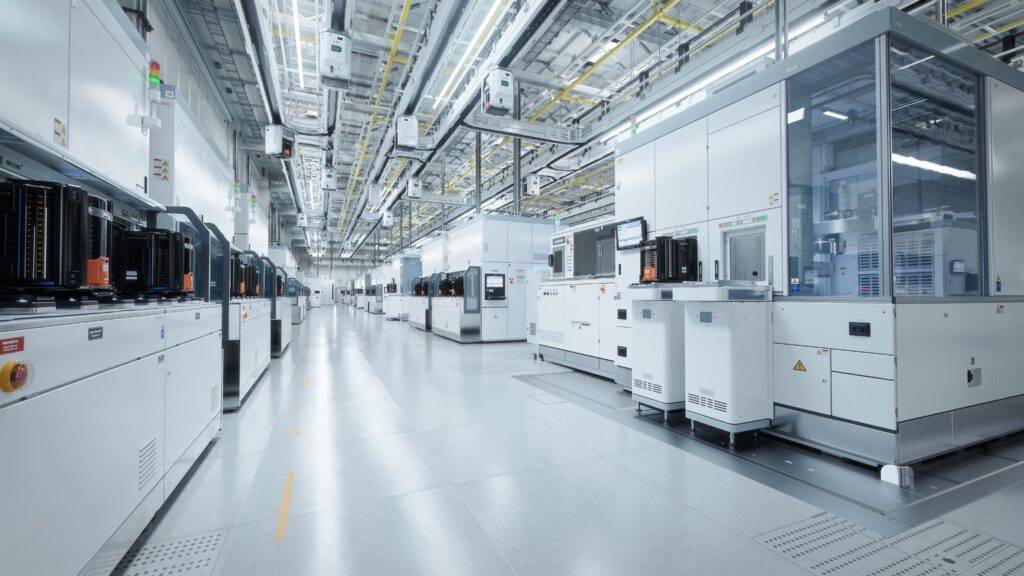
The global chip shortage, initially sparked by the COVID-19 pandemic, has forced a significant shift in industries worldwide, with projections extending into 2026. This shortage has highlighted vulnerabilities in supply chains, impacting sectors such as automotive, consumer electronics, and telecommunications. As demand for semiconductors continues to surge, manufacturers are compelled to rethink their strategies, prioritizing local production and diversification of suppliers to mitigate risks.
To address these challenges, governments and companies alike are ramping up investments in chip manufacturing facilities. Initiatives like the CHIPS Act in the United States aim to bolster domestic production and reduce dependency on overseas sources. Additionally, companies are exploring advanced technologies, such as artificial intelligence and automation, to enhance efficiency in semiconductor fabrication.
As we move toward 2026, the industry is expected to witness not only a revival in production but also a transformative shift towards more resilient and sustainable practices, aligning with the growing demands of a technology-driven world.
For more details and the full reference, visit the source link below:
Read the complete article here: https://parliamentnews.co.uk/global-chip-shortage-asia-2026