
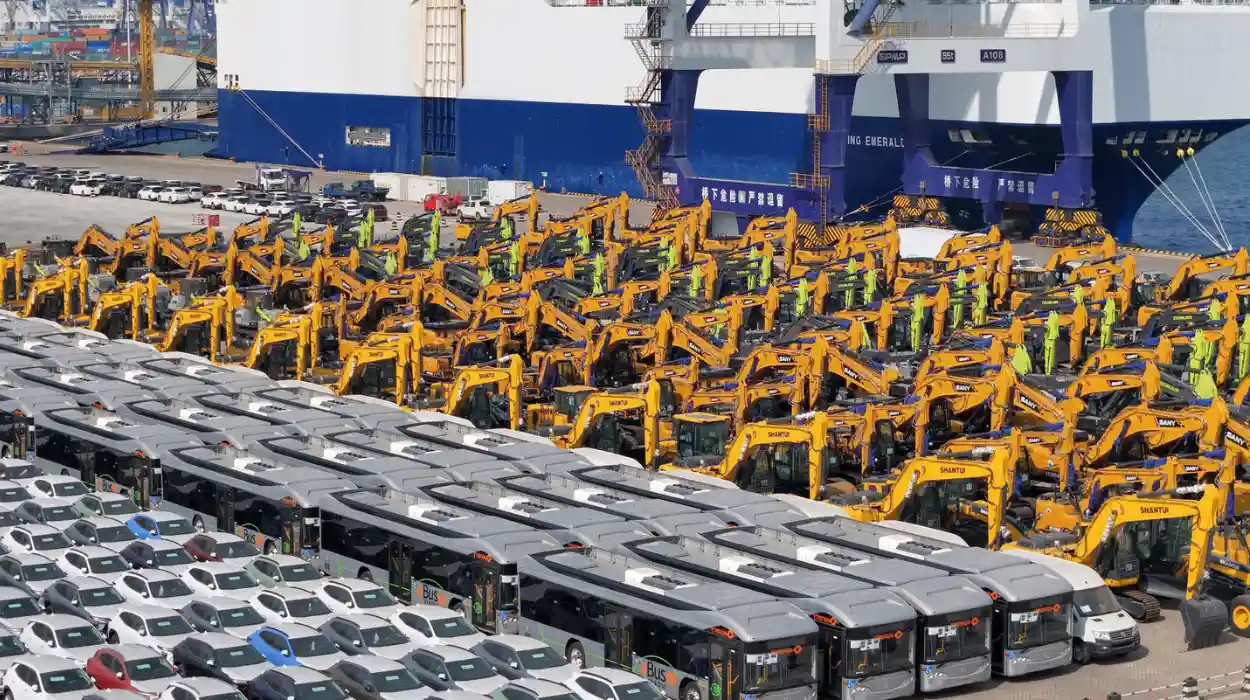
China Shock 2.0 refers to the recent waves of economic transformation resulting from China’s integration into the global market, reshaping industries and redefining economic power dynamics worldwide. This phenomenon highlights a dual economy: one that thrives on automation and advanced technologies, focusing on high-value production, while the other grapples with dislocation and job losses due to international competition. As China progresses in innovation and high-tech sectors, established economies face challenges in maintaining traditional manufacturing jobs.
The repercussions are profound; countries must adapt their economic strategies to address the imbalances created by China’s rapid ascent. This includes investing in workforce retraining and embracing new technologies to remain competitive. Furthermore, the rise of an interconnected global economy means that policies and trade relations must evolve to reflect this changing landscape. Ultimately, China Shock 2.0 serves as a crucial reminder of the necessity for flexibility and innovation in a fast-evolving economic environment.
For more details and the full reference, visit the source link below: