
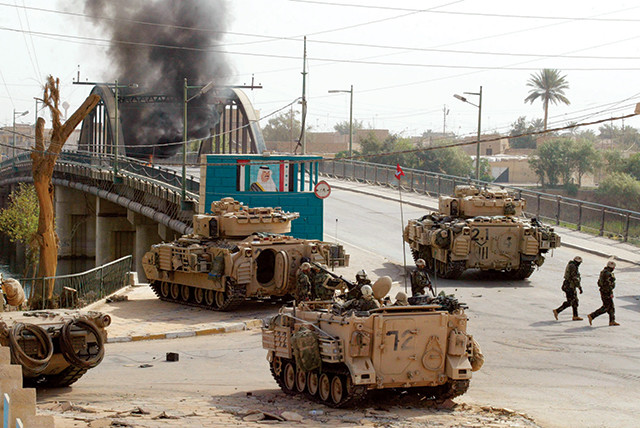
The history of U.S. regime change is marked by complex motivations and significant consequences. Beginning in the early 20th century, the United States engaged in various interventions, often citing the promotion of democracy and stability as key goals. The overthrow of Iran’s Prime Minister Mohammad Mossadegh in 1953 exemplified this, as U.S. interests in oil and geopolitical strategy took precedence over democratic principles.
In Latin America, the CIA orchestrated coups against leaders like Guatemala’s Jacobo Árbenz and Chile’s Salvador Allende, resulting in long-lasting political and social upheaval. The Cold War era intensified these efforts, as the U.S. sought to counter Soviet influence worldwide.
The impact of these interventions is still felt today, with many countries grappling with the repercussions of imposed leadership changes. Critics argue that such actions have often led to authoritarian regimes, humanitarian crises, and destabilized regions, raising ethical questions about the U.S.’s role in global affairs.
For more details and the full reference, visit the source link below: